What Durham homeowners need to know about tree removal permits What Durham homeowners need to know about tree removal permits
Most Durham homeowners assume that a tree on their own property is theirs to remove whenever they choose. It’s a reasonable belief, but Durham’s tree ordinance tells a different story.
Under Durham’s Ordinance 228-05, cutting down a tree larger than five inches DBH without a valid permit is a code violation. Five inches DBH is a relatively small tree, which means the permit requirement applies to far more removal jobs than most residents realise. If a tree comes down without the right paperwork, it’s the homeowner who faces the consequences, regardless of who swung the chainsaw. Companies such as this Durham-based tree company understand which permit category applies to a given job and manage the process on the homeowner’s behalf.
What type of permit does your tree removal need?
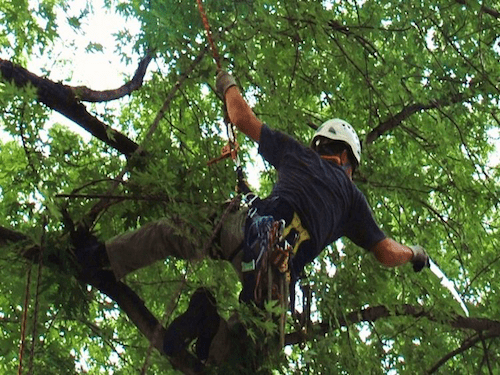
The city’s permit structure isn’t one-size-fits-all — there are eight distinct permit types, each tied to a specific situation. The type of permit required depends on why the tree is being removed and how large it is.
Dead or visibly diseased trees fall under Type A, which is typically the least complicated permit to secure. Type B covers trees that pose a documented safety hazard to people or structures. Type C is specific to development on improved lots and requires a building permit to be in place before the tree removal permit can be issued.
Larger trees — those over ten inches DBH — fall under Type E, which requires Planning Commission approval and mitigation. If the tree you’re dealing with is a significant specimen, Type E is where the permitting process becomes more involved than a simple application.
When your neighbour’s street tree becomes your problem
Private property permits are only part of the picture in Durham. Trees in the right-of-way adjacent to your property aren’t yours to manage; they’re the city’s responsibility, and any work on them requires going through Urban Forestry.
If your home sits within one of Durham’s designated historic districts, tree removal may require a Certificate of Appropriateness before any permit is issued. This is rarely flagged upfront by contractors who aren’t familiar with local rules, which is one reason working with an established local company matters.
After removal: what’s left and what it means
Getting the tree down is one step — what comes next is worth planning for from the start. The permit applicant is required to notify the City of Durham once the tree has been removed.
Most homeowners focus on getting the tree down and don’t give much thought to the stump until it’s sitting in the middle of their lawn. Left in place, a stump draws pests, becomes a mowing obstacle, and prevents the area from being used for anything else. Professional stump grinding in Durham NC resolves this quickly — most residential stumps can be ground down and the area made usable the same day.
Why local knowledge matters when permit requirements are involved
Durham’s tree ordinance is detailed enough that contractors who work across multiple cities don’t always have a clear picture of local rules. Because the homeowner carries the legal responsibility for permit compliance, a contractor who understands and manages that process provides real value beyond just the removal itself.
For Durham homeowners dealing with a tree that needs to come down — whether it’s a storm-damaged pine, a declining oak, or a tree that’s simply in the wrong place — understanding the permit requirements before the work starts is the step that prevents the most expensive mistakes professional tree removal in Durham NC that most homeowners don’t think about until after something has gone wrong.
Working with a company that knows Durham’s permit system from the inside out means the process moves faster, the right category gets applied the first time, and the homeowner doesn’t end up holding the liability for a mistake a less experienced contractor made.